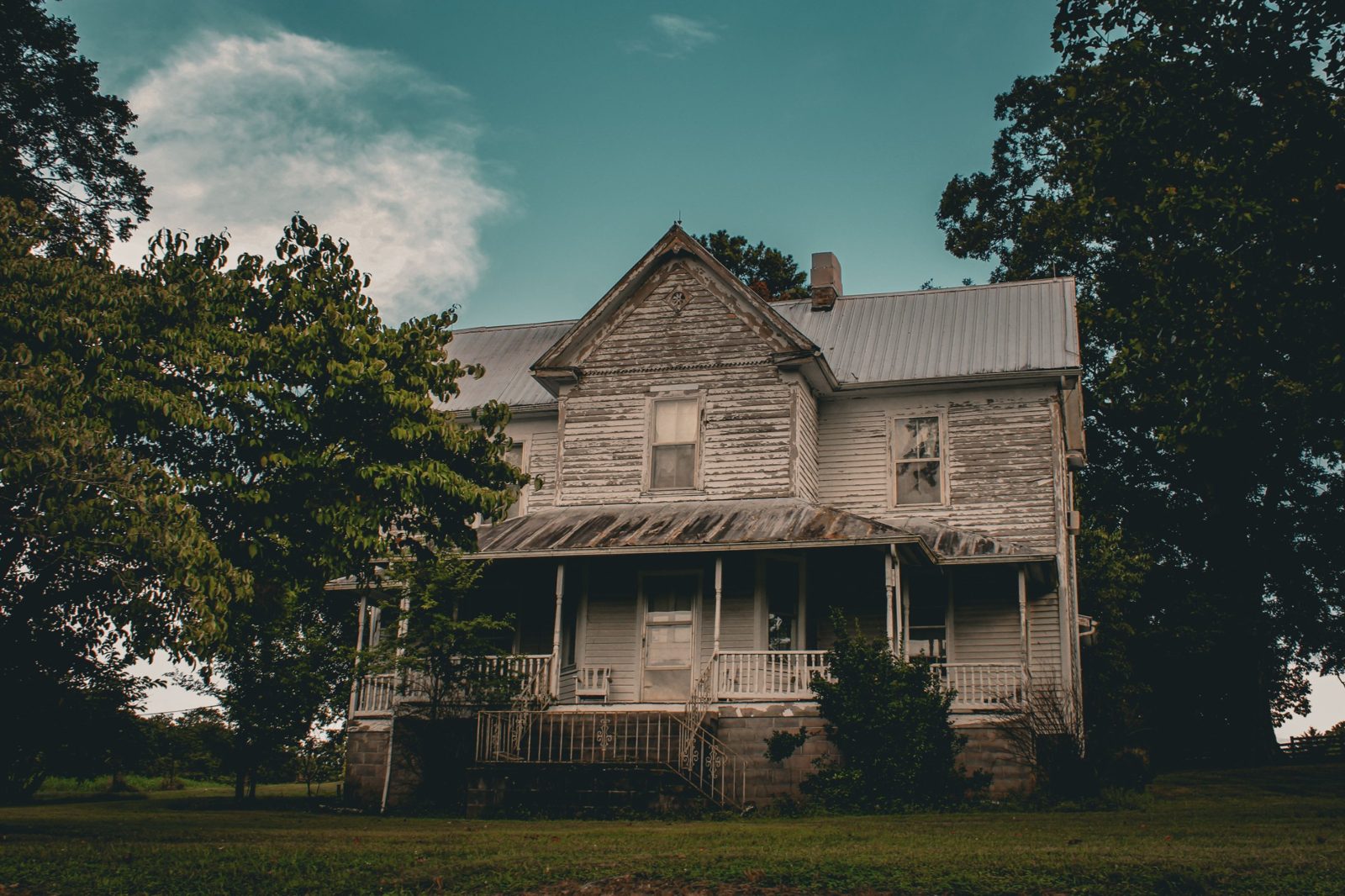
It's October, the porch skeletons are out, and someone in your group chat just sent a link to a "haunted" house for sale. Which brings up one of the most fun Arizona real estate questions we get all year: if a house has a spooky past, does the seller have to tell you?
The answer surprises a lot of people. Arizona has a specific law about this, and it leans toward the seller. Here's what it says, what it doesn't, and what to do if you're buying or selling a home with a story.
What Arizona law says about "stigmatized" homes
A home with a past that bothers people, but doesn't change anything physical about the house, is often called a stigmatized property. Arizona covers this in A.R.S. 32-2156.
The law says a seller, landlord, or real estate agent can't be sued, prosecuted, or face a complaint against their license for not disclosing that a property:
- Is or was the site of a natural death, suicide, homicide, or any other felony
- Was owned or lived in by someone exposed to HIV, diagnosed with AIDS, or diagnosed with another disease that isn't spread by sharing a home
- Is located near a sex offender
It also says that not disclosing these things isn't a reason to cancel the sale.
So what about ghosts?
The law never uses the words haunted, ghost, or paranormal. There's no Arizona disclosure line for "the hallway has a weird cold spot."
Since the law already protects sellers who don't mention a death in the home, most of the stories behind a "haunted" house fall under it anyway. A ghost story isn't a problem with the roof, the plumbing, or the foundation.
What Arizona sellers still need to disclose
This is where people get tripped up. That law covers a short list of specific topics. It doesn't let sellers off the hook for everything.
Most Arizona sellers fill out a Seller's Property Disclosure Statement, or SPDS, a form from the Arizona Association of REALTORS. It covers the physical condition of the home, like:
- Roof leaks and repairs
- Plumbing, electrical, and AC issues
- Water damage and leaks
- Pests, including termites and scorpions
- Pool and spa equipment
If the "ghost" is really a door that swings shut because the house settled, or footsteps in the attic that turn out to be a roof rat, that's a physical issue. Physical issues belong on the disclosure.
What if a buyer asks directly?
The law protects a seller who stays quiet. It doesn't say anything about a seller who gives a dishonest answer to a direct question. If a buyer asks you point blank whether something happened in the house, talk to your agent or a real estate attorney before you answer.
Buying a home? How to look into its history
If a home's past matters to you, you're allowed to ask. A few ways to do your homework:
- Have your agent ask the listing agent, in writing
- Search the address online, including old news stories
- Chat with the neighbors on your second showing
- Check Arizona's public sex offender registry if that's a concern for you
After that, it comes down to your own comfort level. Some buyers walk away from a home with a story. Others don't mind at all, especially when the house checks every other box.
Selling a home with a story?
- Fill out the SPDS completely and honestly
- Tell your agent what you know, so nothing catches you off guard
- Keep your marketing focused on the home itself