Southern Arizona's second city — older, greener and more independent than the Valley, ringed by five mountain ranges and built on its own culture rather than a master plan.
Tucson is not a smaller Phoenix. It is roughly 2,400 feet higher, noticeably greener, and it grew up over centuries rather than in a few decades of master-planned expansion. The saguaro forest runs right up to the edge of town on both sides, and five mountain ranges frame the city, which is why the light here looks different than it does in the Valley.
The University of Arizona sits near the center and shapes a good deal of the city's rhythm, its food scene and its year-round energy. Tucson was named a UNESCO City of Gastronomy, the first in the United States, and the food here reflects a much longer agricultural history than most American cities can claim.
Housing skews older and more varied than the Valley. You will find 1920s adobe and territorial homes downtown, mid-century ranch throughout the central neighborhoods, foothills properties with Catalina views, and newer master-planned communities on the east and northwest edges. Moving to Tucson usually appeals to people who want character, mountains and a lower price point, and who do not mind trading some of the Valley's convenience for it.
A few of the areas people ask about most when they start looking at Tucson real estate.
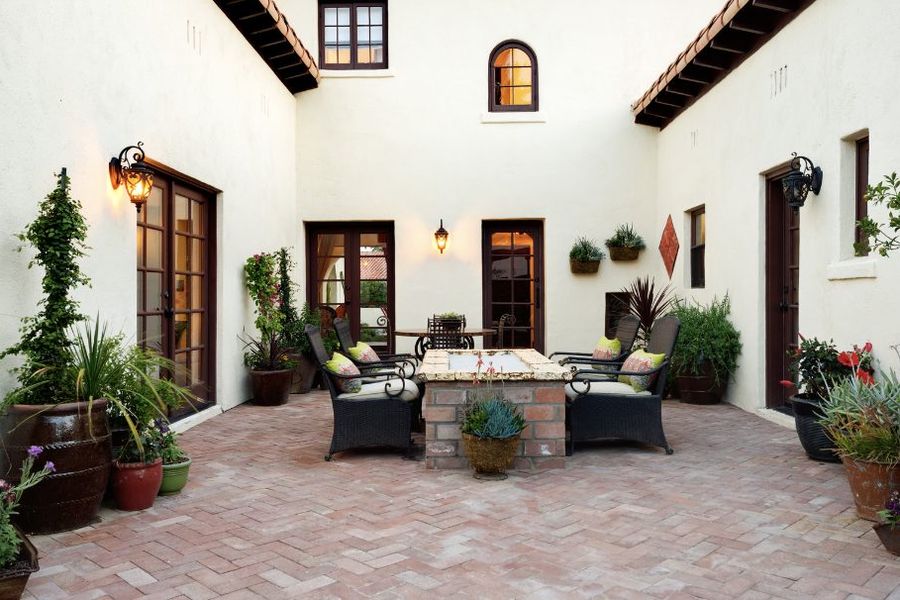
North of the city against the Santa Catalinas. Larger lots, desert landscaping and Tucson's highest price points.
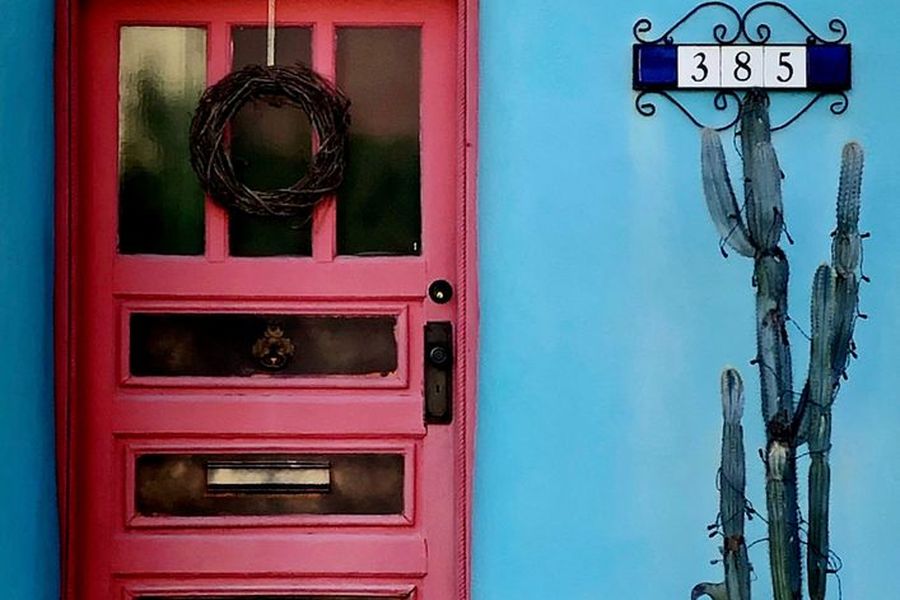
Central historic districts near the university and downtown, with adobe, bungalow and territorial homes on tree-lined streets.
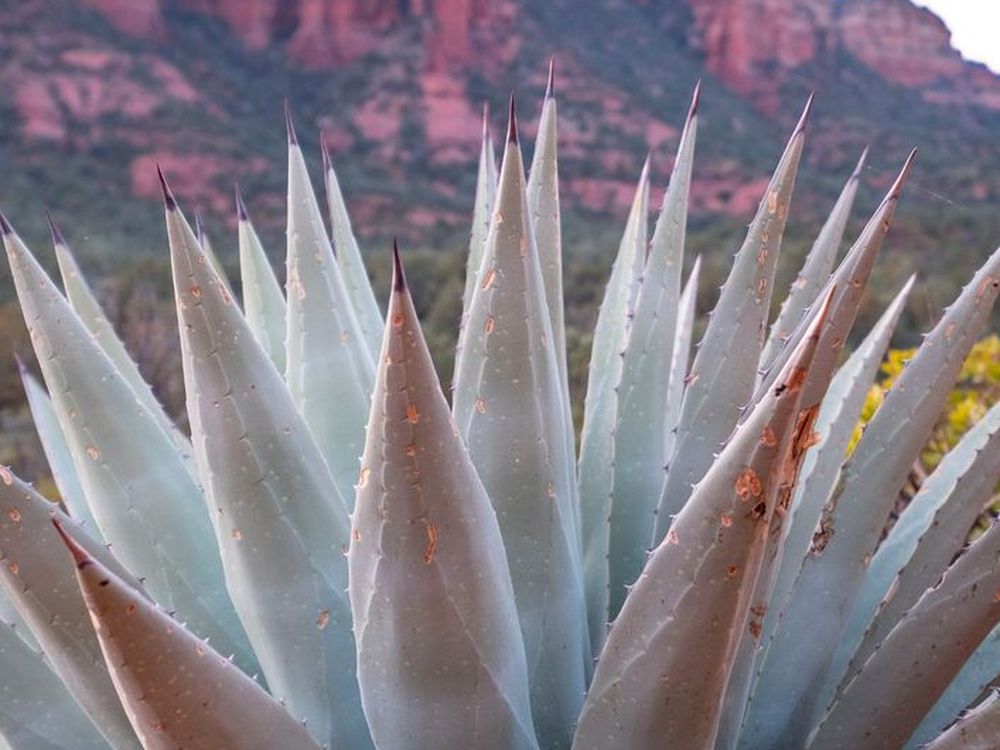
Two districts, one east of the city and one west, protecting the densest saguaro forest in the country.
A drive from Sonoran desert to pine forest in under an hour, with a small ski area at the top.
Creek, canyon and trail network at the base of the Santa Catalinas, with a tram for the easier route.
Independent shops, music venues and restaurants along the streetcar line.
Part zoo, part botanical garden, part natural history museum, all outdoors.
A late-1700s Spanish mission south of the city, still in use and open to visitors.
Tucson's housing stock is older and more varied than most of the Valley, which is part of the appeal and part of what you inspect for.
Concentrated in the central historic districts. Thick walls, real character, and older systems to check.
The backbone of Tucson's central neighborhoods, generally single level on generous lots.
Larger lots against the Santa Catalinas, desert landscaping, Tucson's upper price tier.
Newer communities on the east side, in Marana and in Oro Valley.
Most new construction is happening on the metro edges — the far east side toward Vail and Rita Ranch, and northwest through Marana and Oro Valley. Central Tucson is largely built out, so new homes there tend to be infill or rebuilds.
Tucson and the surrounding metro are covered by several public districts, and boundaries vary considerably by neighborhood.
The University of Arizona and Pima Community College both have a significant presence in the city.
Tucson sits in a valley ringed by the Santa Catalina, Rincon, Santa Rita, Tucson and Tortolita ranges, at roughly 2,400 feet.
We're always adding new videos, neighborhood tours, market updates, buyer and seller tips, and more. Subscribe so you don't miss the next one.
Visit Our YouTube ChannelTucson is covered by MLSSAZ, a different multiple listing service than the one serving Greater Phoenix, so Tucson homes do not appear in the Valley search on the rest of this site. Tell us what you're looking for and we'll pull current Tucson listings for you directly, and connect you with the right local resources for anything on the ground.
Tucson is Southern Arizona's largest city, higher and greener than Phoenix, ringed by five mountain ranges and shaped by the University of Arizona. It has an independent, arts-driven character and a much older housing stock than most of the Valley.
The median sale price was about $357,000 in June 2026 according to MLSSAZ data, up roughly 1.9% year over year, at around $230 per square foot across all property types.
Generally yes. Tucson's median sale price has been running well below the Greater Phoenix median, which was about $445,000 in August 2026.
About 115 miles, or roughly 1 hour and 45 minutes via I-10 without traffic.
Historic adobe and territorial homes in the central districts, mid-century ranch throughout central Tucson, larger foothills properties against the Santa Catalinas, and newer master-planned homes on the east side and in Marana and Oro Valley.
Catalina Foothills, Sam Hughes, Armory Park, Rita Ranch and Civano within the city, plus Oro Valley and Marana in the surrounding metro.
Saguaro National Park, Sabino Canyon, Mount Lemmon, the Arizona-Sonora Desert Museum, Mission San Xavier del Bac, and the restaurants and music venues along Fourth Avenue and downtown.
Hot, but typically a few degrees cooler. Tucson sits around 2,400 feet, roughly 1,300 feet higher than Phoenix, and it gets a more pronounced summer monsoon.
Tomi Homes is based in the Valley, and we know Southern Arizona well enough to tell you honestly whether Tucson is the right fit — and to connect you with trusted people on the ground there when it is.